

Cyanide-Free or Alternative Cyanation Methods

We live in an oxidizing world—but imagine chemistry without reduction. No alcohols from carbonyls, no amines from nitro groups, and honestly, no modern medicines as we know them. Synthetic chemistry would come to a grinding halt without reduction reactions.
At its core, a reduction reaction means gaining electrons or hydrogen, or losing oxygen. Simple idea—huge impact. In the pharmaceutical industry, reduction reactions are the quiet workhorses that transform simple starting materials into complex, life-saving drug molecules. From a student’s lab bench to multi-ton industrial reactors, reductions are everywhere.
Generally, there are two main ways to reduce a molecule:
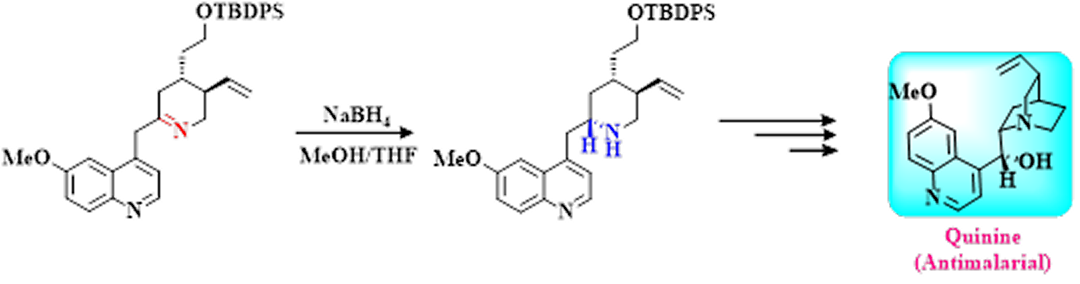
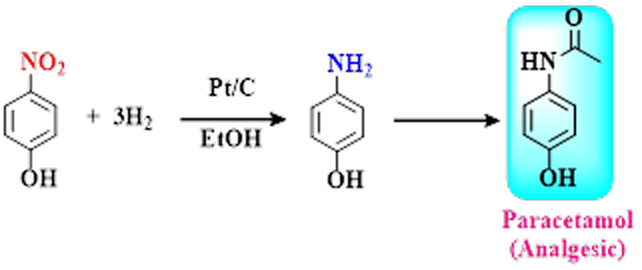 Org. Proc. Res. Dev. 2003, 7, 202–208.
Reduction reactions are absolutely indispensable to the pharmaceutical industry. They help build complex molecular frameworks, control stereochemistry, and fine-tune drug performance. With advances in catalysis and green chemistry, these reactions are only getting better. Simply put, without reduction reactions, many essential medicines would be difficult, inefficient, or downright impossible to make.